
Traveling Amid Uncertainty: A Practical Guide
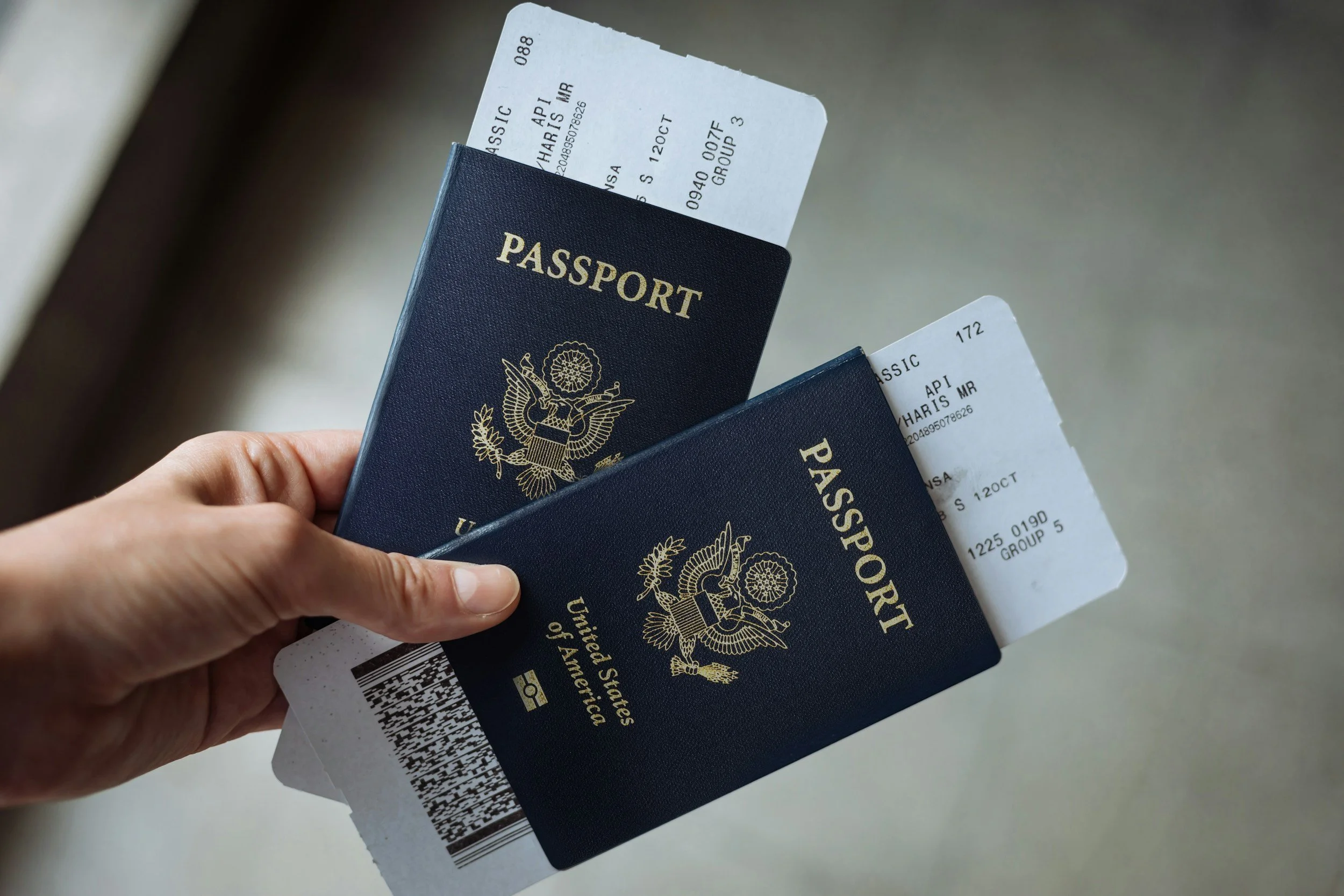
Travel is never risk-free. But uncertainty does not automatically mean you should cancel a trip. It means you should prepare carefully and understand your options.
This guide outlines what informed travelers should do before departure.
1. Register with STEP
The U.S. Smart Traveler Enrollment Program (STEP) is free and takes only a few minutes.
When you register your trip:
You receive official updates from the U.S. embassy about conditions in your destination.
The embassy is aware you are in the country if a large-scale event occurs.
It’s a straightforward precaution and part of responsible international travel.
2. Follow the State Department on Social Media
Follow @travelgov on social media and/or the Whatsapp channel “U.S. Department of State - Security Updates for U.S. Citizens.”
3. Read the U.S. State Department Country Page for Your Destination
Before you travel — and again shortly before departure — read the official State Department page for your destination. For instance, here is the page for Italy.
These pages outline:
Crime trends
Terrorism threats
Civil unrest
Regional areas to avoid
Entry requirements and local laws
Some countries carry ongoing terrorism warnings as part of standard advisory language. That does not indicate an imminent event. It reflects a broader risk assessment.
Read the full advisory rather than relying on headlines or social media commentary.
4. Purchase Travel Insurance — and Review the Policy Carefully
Travel insurance is strongly recommended for international travel. If you would like to be refunded for costs on a trip you need to cancel or interrupt, it’s important that you cover your trip costs. However, purchasing a policy is not enough. You must read it. Pay close attention to how your plan defines:
Terrorism
Civil unrest
Declared war
Undeclared war
Government travel advisories
Political evacuation
Some policies exclude coverage for declared or undeclared war. Some exclude coverage if a government advisory was already in place before you purchased the policy. Timing matters. (Please note I am not a licensed insurance agent.)
One other thing — you have to purchase your insurance before events become known. You won’t be covered for a closed airport if you purchase the insurance after you learned that the airport was closed.
If you are traveling to a destination that causes you concern — even moderate concern — you should consider Cancel For Any Reason (CFAR) coverage.
What Is CFAR?
CFAR (Cancel For Any Reason) is an optional upgrade to a standard travel insurance policy.
It allows you to cancel your trip for reasons not otherwise covered — including personal discomfort about a destination — and receive partial reimbursement (typically 50–75% of non-refundable trip costs). (My ongoing joke about CFAR is that it helps you cancel a trip because of a bad hair day or hangnail, reasons that aren’t covered by insurance.)
Important details:
CFAR usually must be purchased within a short window (often 7–14 days) after your first trip payment.
It does not reimburse 100%.
It increases the cost of your policy.
For travelers who want maximum flexibility in uncertain environments, CFAR may provide financial protection if you decide not to proceed with a trip.
I am not a licensed insurance agent. I explain available options and encourage coverage, but you are responsible for selecting and reviewing your policy and confirming benefits directly with the insurance provider.
5. Understand Your Cell Phone Plan Before You Leave
Communication is critical when conditions shift.
Before departure:
Confirm your carrier’s international roaming charges.
Determine whether you need to add an international day pass.
Consider purchasing an eSIM data plan for your destination.
Turn off roaming if you are relying on Wi-Fi only.
An eSIM can provide affordable data as soon as you land, without unexpected roaming fees.
Know your plan before you board the plane.
6. Download WhatsApp
WhatsApp operates over Wi-Fi or data and avoids standard SMS roaming charges.
It is widely used by:
Hotels
Drivers
Tour operators
Local contacts
If schedules shift or conditions change, this can be the fastest way to communicate internationally.
7. Enable Airline Alerts
Download your airline’s app and turn on push notifications.
Airlines often communicate gate changes, schedule adjustments, or cancellations through their apps before email notifications are processed.
Real-time updates reduce stress and allow faster decisions.
8. Avoid Protests and Political Gatherings
If you encounter demonstrations or political gatherings while traveling, leave the area.
Even peaceful events can change quickly. There is no benefit to observing them.
Situational awareness and discretion are part of responsible travel.
9. Share Your Itinerary
Before departure:
Provide a trusted contact with your flight details and hotel information.
Establish regular check-in expectations.
Keep digital and printed copies of important documents.
If communication is disrupted, someone should know where you are expected to be.
10. Make document backups you can actually access
Do three versions:
Printed copy (passport bio page, itinerary, insurance info)
Photos on your phone
A secure cloud copy
The State Department specifically recommends multiple copies and separating copies from originals.
11. Keep News in Context
Headlines are designed to attract attention. They often lack nuance.
A developing geopolitical event in one region of a country does not automatically affect all regions equally. Official advisories and on-the-ground information provide better context than social media speculation.
Make decisions based on verified sources.
Final Thoughts
Travel requires awareness. It also requires perspective.
Preparation does not eliminate uncertainty, but it reduces avoidable exposure and protects your financial investment.
Register with STEP.
Review official advisories.
Purchase and read your insurance policy.
Confirm communication tools.
Make informed decisions.
If you have questions about your specific itinerary, I am always available to discuss your trip and review options.
About Krista
I’m a Virtuoso travel advisor based in West Palm Beach, Florida. I attended the University of Notre Dame for undergrad and I have my MBA from the University of Chicago. Before building my travel business, I spent 20 years in the investment management industry and over a decade living and working in London, England. I’ve personally traveled to 80 countries and now design thoughtful, highly customized trips for travelers who value expertise, access, and a seamless experience.
I offer a complimentary 30-minute consultation for travelers considering a custom itinerary or luxury cruise. Book a complimentary vacation consultation here.
For travel inspiration and real-time updates, you can follow along on Instagram or connect with me on Facebook. I also share a curated list of travel products I genuinely use and recommend in my online store.
What I Offer…
Custom itinerary design for complex, multi-stop trips
VIP hotel benefits through Virtuoso and preferred partner programs (including complimentary breakfast, hotel credits, and priority for upgrades where available)
Luxury ocean, river, and expedition cruises with added onboard credits
Vetted villa rentals with concierge services worldwide
Private guides, small-group touring, and unique local experiences
Private aviation and yacht charters through trusted partners
Airport transfers, VIP arrival and departure services, and full ground logistics
Travel protection and support when plans change
I work best with travelers who want expert planning, trusted partnerships, and someone in their corner from start to finish. That’s what I am best at! Ready to talk travel? Book a complimentary vacation consultation here.